
SEO has always been about getting ahead of the game. Over the years, I’ve seen search change from stuffing keywords and building links to using complex algorithms that reward trust, authority, and real value. But nothing has changed the world as much as AI has.
AI isn’t just a “nice-to-have” part of your strategy in 2025; it’s what makes it work. In fact, over 56% of marketers are now using generative AI in their SEO workflows. AI tools are helping us do things like keyword research, competitor analysis, content creation, and optimization in minutes instead of weeks.
This year, I’ve seen and used some of the best AI SEO tools. I’ll tell you about them. But first, let’s talk about the change that is changing the way we think about search in general.
What’s Changed in 2025: Enter GEO
People don’t just talk about Google when they talk about SEO in 2025. Generative AI models like Perplexity, ChatGPT, and Gemini are changing how people search. AI systems are giving users direct, conversational answers instead of making them click through ten blue links. That’s where GEO (Generative Engine Optimization) comes in.
GEO is about making your content easy to find, not just by regular search engines, but also by AI tools that summarize, recommend, and even rewrite information before showing it to the user. In real life, this means writing content that is structured, clear, and reliable enough for AI to see it as the “best answer.”
I’ve seen this change happen. Companies that used to only care about how high they ranked on Google are now asking, “How do we get our content mentioned in ChatGPT’s answers?” The answer is to mix basic SEO principles with a new level of AI-readiness, such as short explanations, Q&A formats, and authoritative signals that large language models need.
The good news is? A lot of AI SEO tools are already changing to fit this new trend, which lets us optimize for both Google and generative engines.
9 Best AI SEO Tools in 2025
There are so many tools that it can be hard to keep track of them all. I’ve tested dozens of things and talked to other marketers about what’s really making a difference over the past year. Some tools are better than others at handling the GEO shift, while others are better at depth or speed.
I think these nine AI SEO tools are worth your time in 2025. Each one has something special to offer, whether you’re interested in strategy, making content, or improving your technology.
| Tool | Standout Features | Pricing (monthly, USD) |
| Semrush | Full-suite SEO platform with Copilot and ContentShake AI for research and writing | Pro: $139.95 /mo; Business: up to $499.95 /mo |
| Surfer SEO | On-page structure optimization, content depth, word count guidance | $79 /mo to $175 /mo |
| Ahrefs | Industry-leading backlink data; AI for link valuation and opportunity spotting | $83 /mo to $999 /mo (Lite $100/mo) |
| Writesonic | AI-generated SEO content, brand visibility in AI search results | $39 /mo to $199 /mo |
| Contentpen | AI agents for content creation, planning, calendar sync, and style consistency | $27 /mo (Starter) to $139 /mo (Agency) |
| MarketMuse | Deep content expertise and topical authority development | $99 /mo to $149 /mo |
| ChatGPT | Brainstorming, outlines, titles, meta descriptions; enhanced SEO pattern spotting | Free tier + Plus at $20 /mo |
| Alli AI | Bulk schema markup, on-page automation for large sites | $169 /mo to $1,249 /mo |
| SE Ranking | Affordable rank tracking, audits, competitor analysis | $23.52 /mo and up |
1. Semrush (with Copilot & ContentShake AI)
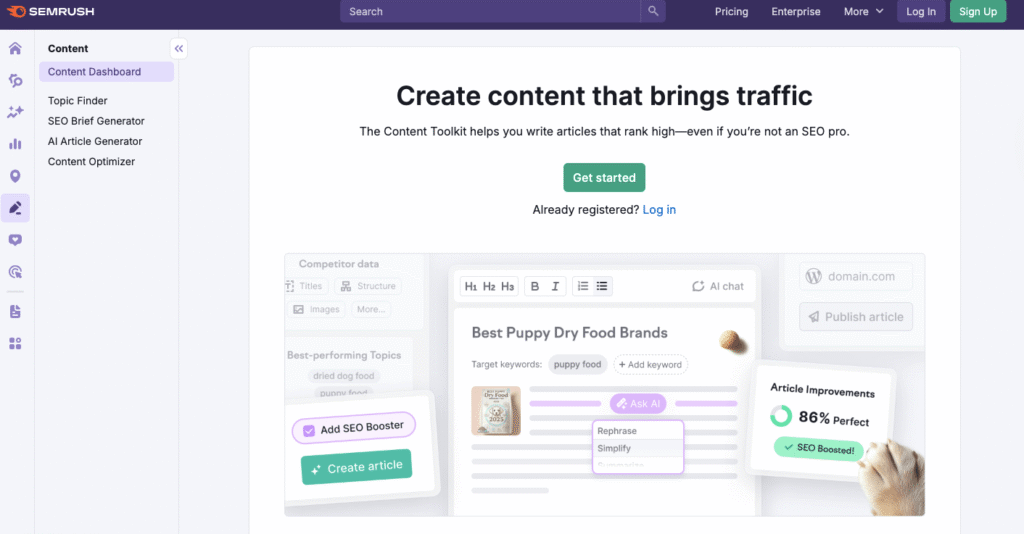
I’ve been using Semrush for years, and it’s still one of the best SEO tools out there. In 2025, what makes it stand out is how well it works with AI in its ecosystem. Copilot works like a personal strategist, bringing out insights from huge datasets in simple terms. ContentShake AI, on the other hand, helps you write drafts that are good for SEO and fit with your keyword research and competitive analysis.
The best thing for me is that these AI features cut down on the time it takes to go from research to action. You used to have to switch between writing data, strategy, and content. Now everything flows together in one place.
2. Surfer SEO
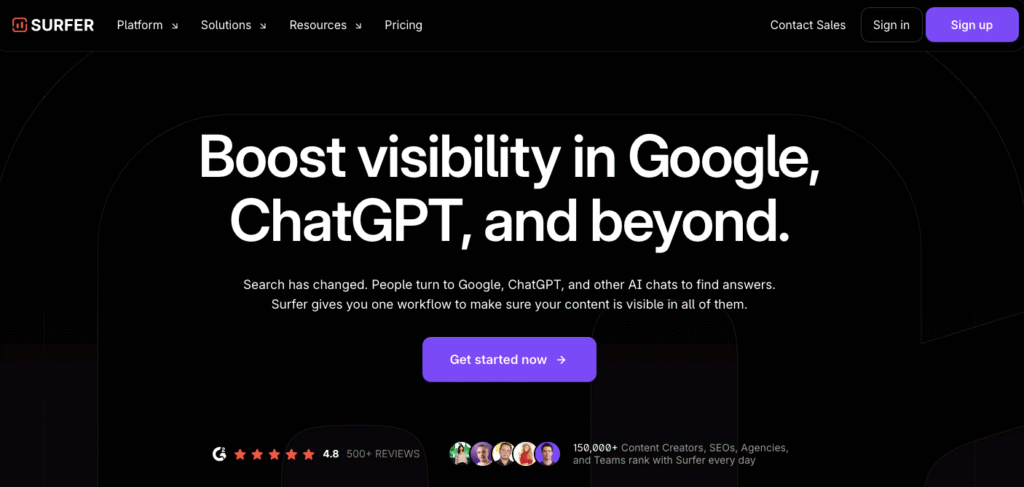
Surfer SEO is known for making on-page optimization easy, and its 2025 updates are no different. It’s especially useful when you need help with the structure of your content, such as what to include, how long it should be, and where you might be missing depth on a topic.
I told content teams to use Surfer because it helps them get quick wins without getting bogged down in technical details. As far as aligning a single page with what Google (and now AI engines) reward, it’s one of the best tools you can use, even though it’s not as big as Semrush or Ahrefs.
3. Ahrefs
Ahrefs has always been the best at backlink data, and it still is. Ahrefs has also added AI features to help you understand data, guess the value of links, and find opportunities that might not have come up otherwise.
I think Ahrefs is very important for building authority. It’s hard to beat because it has a lot of depth and accuracy, whether you’re looking at your competitors’ link profiles or keeping an eye on how your own authority grows.
4. Writesonic
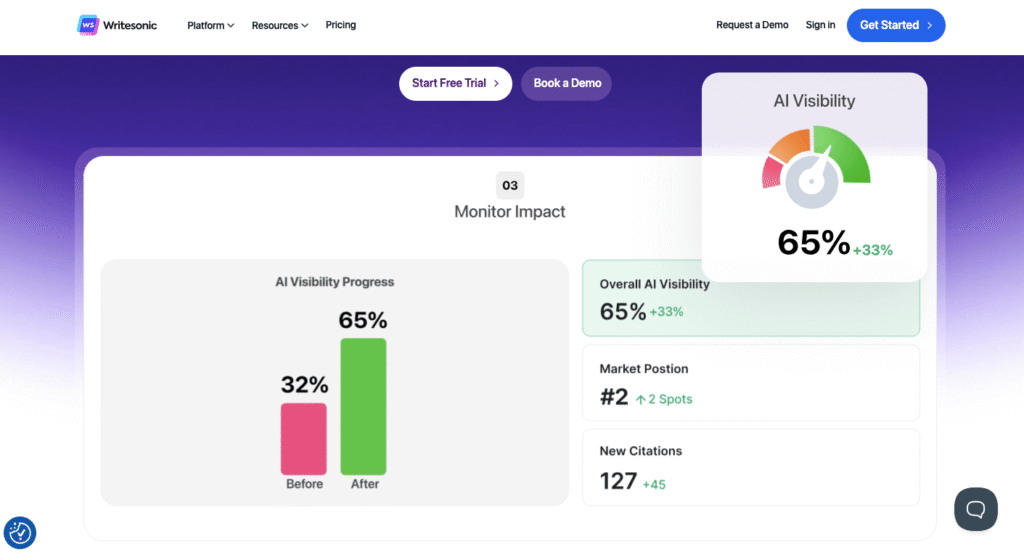
Writesonic has done a great job of keeping up with the GEO trend. It’s not just a way to make content anymore; it also has tools to keep an eye on how your brand shows up in AI-generated answers. Not only can its SEO agent suggest keywords, but it can also suggest content structures that work well with generative engines.
Writesonic should be in your stack if you want to be seen in both AI search tools and regular search engines.
5. Contentpen.ai
Contentpen is a fairly new company, but I’ve seen it provide value quickly. It uses a number of AI agents to do research, change the style, and improve the work. I like that it doesn’t just spit out content; it also helps plan a content calendar and makes sure that all the pieces are consistent.
Contentpen has been a surprisingly good partner for teams that want to automate things without losing sight of their strategy.
6. MarketMuse
MarketMuse has been around for a long time, and its strength is in its depth. It’s not about writing articles quickly; it’s about becoming an expert on a subject. This focus is more important than ever because AI will be choosing the most trustworthy answers more and more in 2025.
When I’ve worked with brands that want to own a niche, MarketMuse has always been my first choice. It helps you find the parts of your content that aren’t very deep and the parts where you can push to become a true expert on the topic.
7. ChatGPT
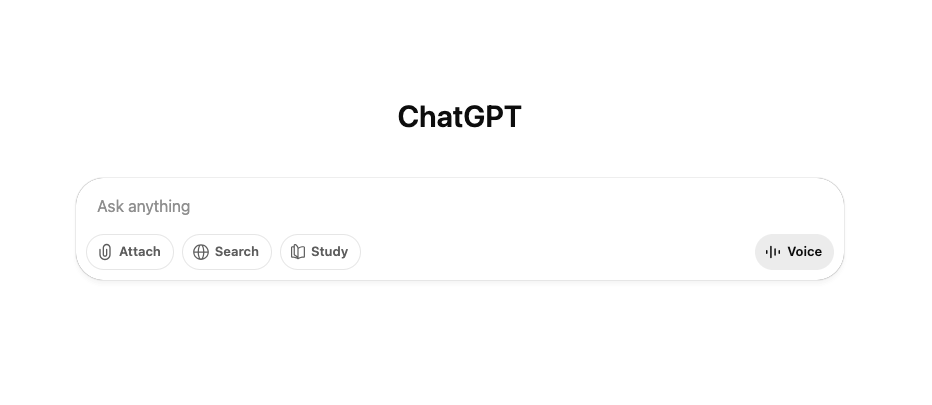
It may seem obvious, but ChatGPT is still one of the most useful tools I use every day. I use it to come up with blog post titles, outline long pieces, and even write meta descriptions. If you don’t give it the right prompts, you’ll get generic results.
ChatGPT has gotten better at spotting SEO patterns by 2025, but I still think of it as an assistant, not a strategist. It makes the creative process go faster, but your knowledge is what makes the output important.
8. Alli AI

Alli AI is more of a tech expert. It’s meant for big sites where doing it by hand would take a long time. It does the hard work for you, from schema markup to making a lot of changes to your website at once, while you stay in charge of the big picture.
I know of agencies that have saved hundreds of hours on client projects by using Alli AI. It’s a lifesaver for teams that run big sites.
9. SE Ranking
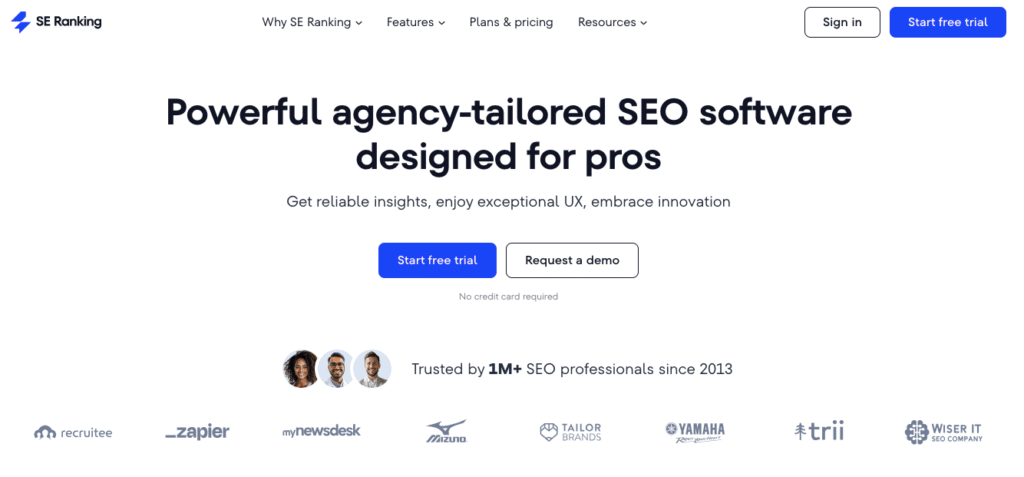
SE Ranking has always been a cheap option, but with its AI upgrades in 2025, it will be even more competitive. It can help small businesses keep track of their rankings, audit their sites, and look at their competitors.
SE Ranking strikes a balance for freelancers and startups. It gives you the important SEO information you need without the high cost of an enterprise platform.
How to Choose the Best Tool for Your Needs?
The best AI SEO tool for you isn’t the one with the most features; it’s the one that helps you reach your goals. First, think about what you need right now: do you need to make content, do technical audits, or build your authority?
In my experience, smaller businesses do better with all-in-one platforms like SE Ranking or Surfer SEO, while larger teams use Semrush or Ahrefs for more in-depth information. If you want to make sure your content is easy to find in AI search, Writesonic and MarketMuse are better options.
What Comes Next in AI SEO?
The rise of Generative Engine Optimization is just the start. In the future, AI systems, not just search engines, will decide what users see. This means that our content needs to be well-organized, authoritative, and AI-friendly, in addition to being full of keywords.
I think that in the next few years, more tools will focus on GEO, which will help brands get more exposure on platforms like ChatGPT, Gemini, and Perplexity. But one thing that won’t change is the need for content that is helpful, well-written, and trustworthy.
Conclusion
AI is changing SEO faster than anything else I’ve seen. With the right tools, you can save time, find new opportunities, and give your content the edge it needs to stand out in search results and generative engines.
But remember that the person using the tools is what makes them useful. If you use AI to help you, you’ll come up with a plan that works.
Are you ready to move on? Try one of the tools above first to see how it changes the way you work. In 2025, SEO rewards doing things, not waiting.
Frequently Asked Questions