
When I first started playing around with AI writing tools, the results were rough and often needed more rewriting than they saved me. But now, AI looks different. AI writing tools today can help you write full-length books, polish academic papers, and make long blog posts.
Also, writers using AI tools spend around 30%less time on writing and produce up to 50% more content than they did before. But finding an AI tool is no longer the hard part; it’s picking the right one.
So, I’ll show you what makes a great AI writing tool in 2025. These recommendations came from my actual use and comparisons in writing and SEO, so take it with a grain of salt.
What is an AI Writing Tool?
An AI writing tool is basically software that uses artificial intelligence to help you write, edit, or improve written content..
The easiest tools can write short pieces, like product descriptions or captions for social media. More advanced ones can write whole articles, come up with headlines, improve tone, and even check how well they do in search engines. Some writing tools are good for almost any kind of writing, while others are only good for certain types of writing, like academic research, fiction, or marketing copy.
These tools are so useful in 2025 because they have come so far. They can now change to fit your style and situation instead of sounding robotic. They don’t just spit out text; they help you organize your thoughts, find mistakes, and speed up the editing process. If you use them wisely, they won’t replace your own creativity or knowledge, but they can help you write better and get more done.
6 Best AI Writing Tools in 2025
After years of testing dozens of AI writing tools, I’ve picked out the six that really stand out this year. If you need an all-around tool, a marketing powerhouse, or a creative writing partner, each one is great in its own way.
| Category | Tool | Why It Stands Out | 2025 Pricing (approx.) |
| Best Overall AI Writing Tool | ChatGPT (GPT-4o) | Handles ideation, drafting, editing, tone-shift—solid “all-rounder” across platforms. | Free tier available. Plus plan: $20/month. Other tiers (Go, Pro, Team) vary. |
| Best for Brand & Long-Form Content | Jasper AI | Great for marketing content—templates, tone control, long-form workflows. | $39/month (Creator); $59/month (Pro); Business: custom pricing. |
| Best for Everyday Writing | ParagraphAI | Simple, flexible for emails, quick drafts—ideal for non-SEO daily use. | Free plan; Student plan: ~$19.99/month; Professional: ~$24.99/month. |
| Best for SEO & Optimization | Surfer SEO | Real-time keyword, structure feedback—great for ranking-focused writers. | Essential: $99/month (or $79/month billed annually); Scale: $219/month (or $175/month annually); Enterprise: custom. |
| Best for Long, Creative Projects | Claude (Anthropic) | Excels with long text, nuanced reasoning—feels collaborative, not mechanical. | Pro plan: ~$20/month; Max plan: $100–$200/month (priority updates, higher usage). |
| Best for Fiction & Storytelling | Sudowrite | Tailored for authors—plot ideas, dialogue help, creative inspiration. | Starting at $19/month (Hobby tier); higher tiers available; annual billing saves up to 50%. |
1. ChatGPT (GPT-4o)
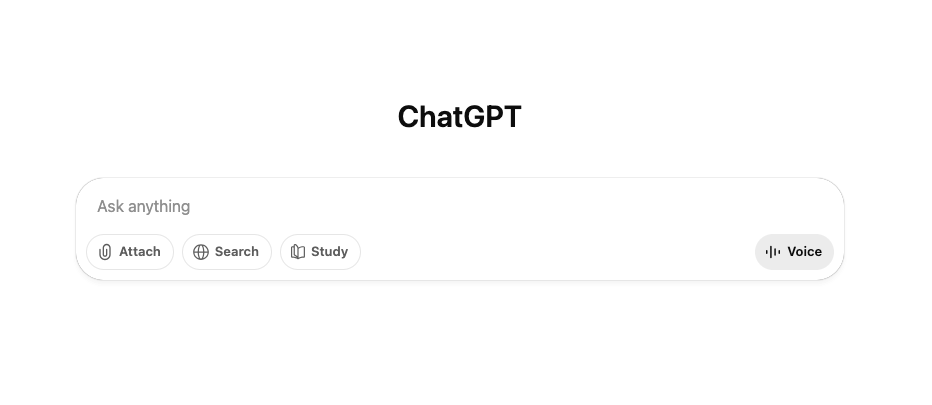
ChatGPT is the AI tool that always works for almost every writing task. OpenAI’s GPT-4o powers it, and it can do a lot of things, like come up with ideas, write, edit, and even change the tone.
ChatGPT is quick to adapt. I use it when I’m writing a blog post, polishing an email, or rewriting something to make it clearer. I noticed that the text feels more natural and human-like than it did in earlier versions. It works on a lot of different platforms and fits in with workflows easily, do for me, it deserves to be called the best “all-rounder” on the market.
2. Jasper AI
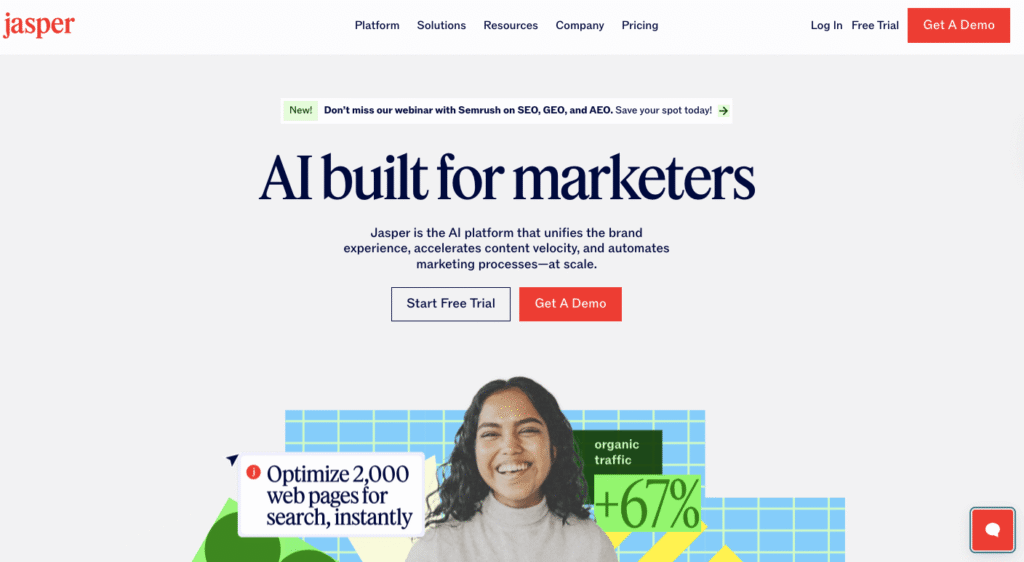
I’ll reveal the reasons why marketers and content creators have loved Jasper for years. It’s because it has been very helpful if you’re working on different content types due to its templates. You’ll find one from blog posts to ads.
I like that it can handle long-form writing well and lets me control the tone. Jasper is a great choice if you need to make a lot of content that fits your brand without losing flow. It’s well-made, professional, and made with marketers in mind.
3. ParagraphAI
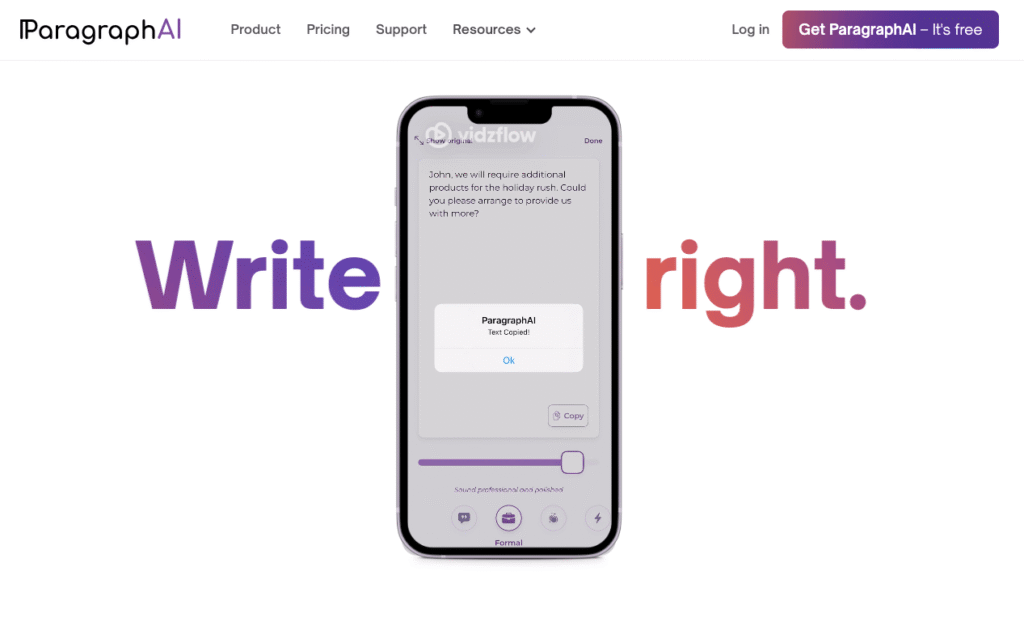
ChatGPT and Jasper are more popular than ParagraphAI, but ParagraphAI is better for everyday writing tasks. It’s good for emails, outlines, and quick drafts of articles. It’s also easy to use, which makes it good for beginners.
ParagraphAI is a great tool to have around if you don’t need complicated SEO integrations or creative writing. It’s quick, flexible, and great for people who want a simple AI assistant.
4. Surfer SEO

When it comes to ranking, Surfer SEO is the best AI writing tool for improving content. It doesn’t just help you write; it also gives you real-time feedback on keywords, headings, and structure, which makes your content more likely to do well in search. I’ve used it to make outlines for SEO and to change drafts, and the suggestions based on data make a big difference.
Surfer is a great tool for bloggers, agencies, and anyone else who lives and breathes search traffic.
5. Claude
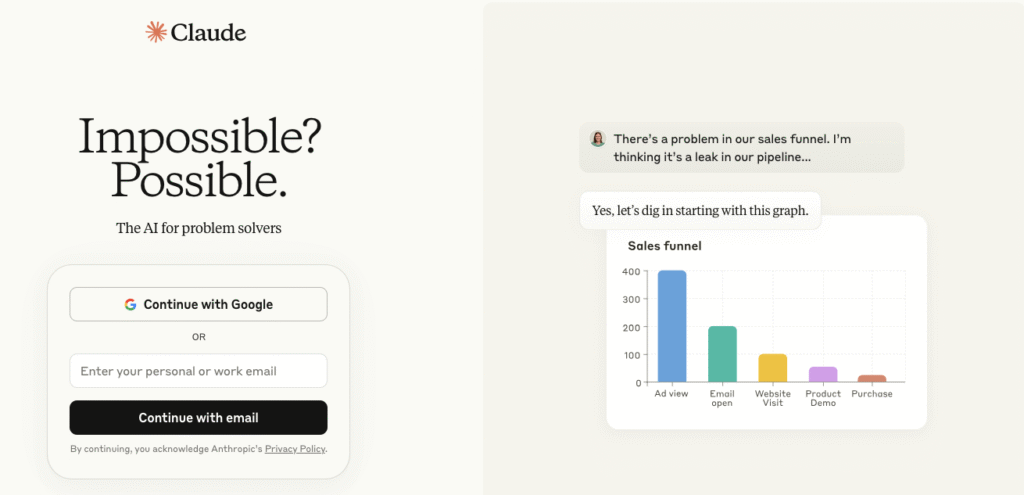
Claude is a game-changer for writers who have to work on long or complicated projects. Most tools have trouble with long text, but Claude can handle and create huge amounts of content without losing its meaning. It does a great job of nuanced reasoning, which makes it seem less like a machine and more like a helpful partner.
Claude is the tool to use if you need to write in-depth articles, reports, or creative projects that need structure and subtlety.
6. Sudowrite
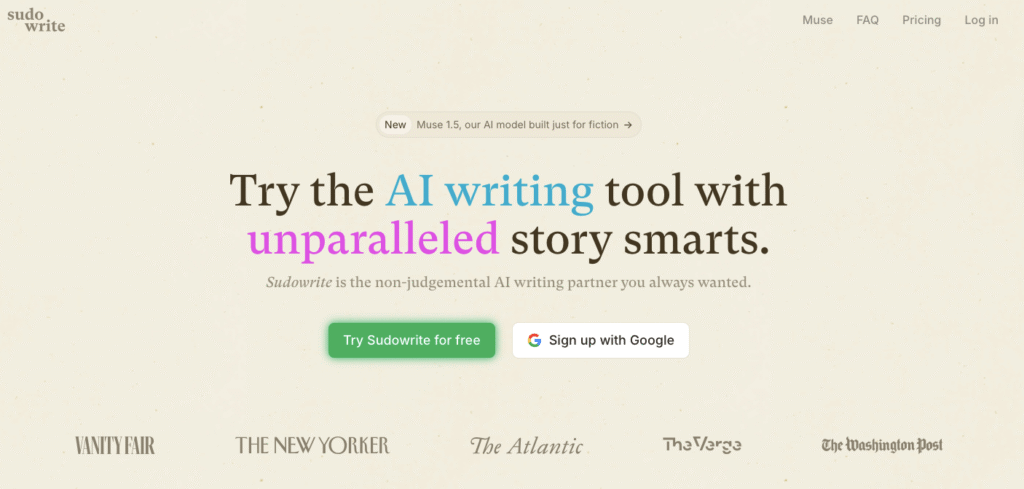
Sudowrite is the best writing tool for authors and storytellers. It is meant to get your creative juices flowing so you can come up with new plots, improve your descriptions, and polish your dialogue. Sudowrite knows how to tell a story, even though other tools are more business-oriented.
I’ve seen it turn a simple prompt into a colorful scene, giving me new ideas that keep the creative process going. This is the best choice in 2025 if you want to write fiction or make your writing more interesting.
How to Choose the Right Tool for You
Over the years, I’ve learned that the “best” AI writing tool is different for everyone. A blogger who wants to grow their content has very different needs than a novelist or a student who is working on their research papers.
First, figure out what your main goal is. Do you need to know about SEO to do well in search? Use a tool like Surfer SEO. Want help with storytelling that is creative? You would be better off with Sudowrite or Claude. ChatGPT or ParagraphAI might be enough if you just want to get things done quickly and easily.
Another important thing is the budget. Some SEO tools cost as little as $20 a month, but enterprise-level platforms can cost hundreds of dollars. I think it’s always a good idea to try the free or trial versions first. This way, you can see how a tool fits into your work before you buy it.
Also, think about how well the tool works with Google Docs, WordPress, or the apps that your team likes best. A tool that works well with your daily routine will always be more useful than one that is powerful but hard to use.
How to Get the Most Out of AI Tools
It’s not enough to just hit “generate” and copy the result to use AI well. I’ve learned a few best practices that make a big difference after years of using these tools for client work and my own projects:
Don’t use AI to cut corners; use it for structure
Let it make outlines, come up with ideas, or improve sentences, but always bring your own voice and knowledge.
Check the facts on everything
AI can make mistakes. Before you publish, double-check names, statistics, and sources.
Make sure the edits are real
People can tell when writing is too general. I always spend time changing the tone and adding my own experiences so that the final piece sounds like a person.
Think about your brand
When you let the tool write without any rules or style, it doesn’t work as well.
Try things out
Tools change quickly. Things that didn’t work six months ago might work now.
Conclusion
In 2025, AI writing tools will be smarter, faster, and more useful than ever. They can do anything from writing SEO-driven blog posts to long books, but the real magic happens when you use them on purpose. I’ve seen how the right tool can save me hours of work, give me new ideas, and make my content better overall.
That being said, no AI tool can take the place of your own point of view. Your experience, insights, and ability to connect with readers are what make your writing valuable. AI should help you do more of that, not less.
Try out the tools and see which ones work best for you. Don’t be afraid to try new things. The sooner you learn how to work with AI, the more fun it will be to make content that helps your business, your audience, and your brand grow.
Frequently Asked Questions